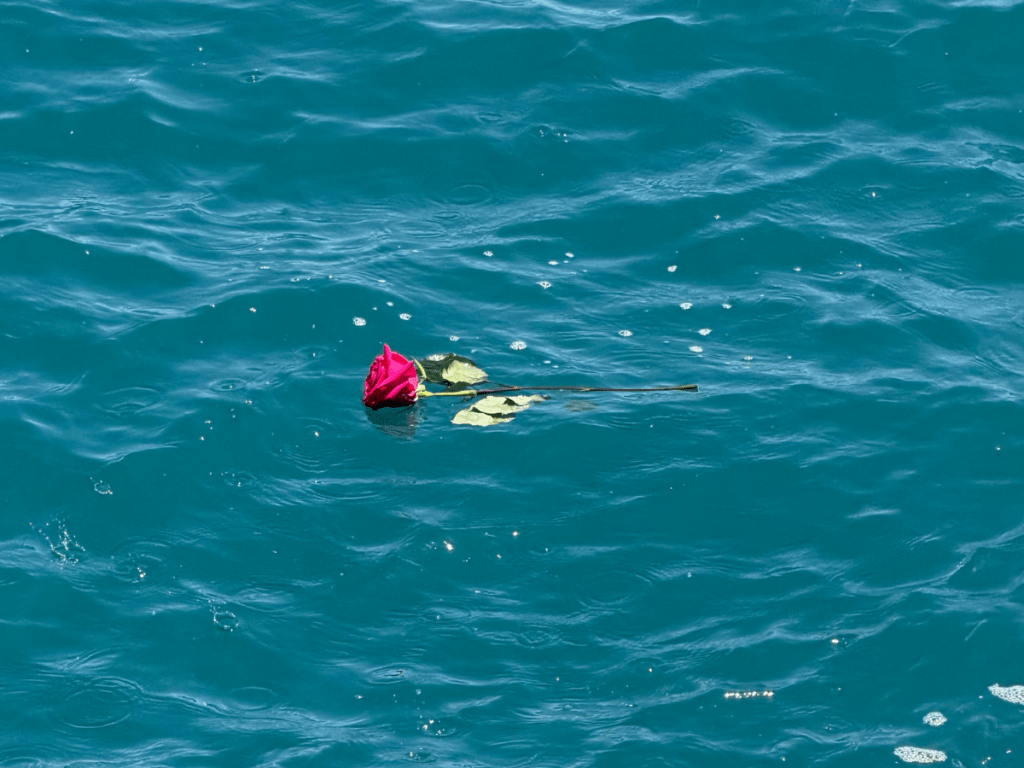
UCF Medical students recently traveled to the Atlantic Ocean to spread the ashes of their first patients – donors who willed their body to science to train the next generation of physicians.
The ceremony is part of the College of Medicine’s tradition to make the Anatomy Lab not just the study of body parts but also a lesson in empathy, clinical reasoning and respect.
“I tell students, these donors are giving to you the very last thing they have on this Earth to give, which is themselves,” said Jeffrey Plochocki, who leads the College of Medicine’s Anatomy Lab. “They are trusting the students that they’re going to learn and heal patients with this knowledge.”
Anatomy Lab is a rite of passage for first-year medical students. But UCF’s approach is unique. Donors’ bodies are not just used to learn anatomy and physiology. They are considered the students’ first patients. And during the Anatomy Lab, students must work in teams to determine the patient’s cause of death and how their illness might have impacted their life.
That philosophy is reflected in a sign that hangs above the entrance that reads in Latin: “Let all conversations cease. Let all laughter cease. Now is the time to let death bring about learning.”
“For many of the students, this is their first interaction with death and dying,” said Plochocki. “After the first couple of labs, I always make a point to say, ‘Are you learning everything you can from this donor? If you left this lab and encountered this donor’s family, what would you say you learned? Did you make use of their gift?’ I try to keep it in their mind that they’re learning something beyond anatomy.”
During the ceremony at sea, music played and students on board were invited to share a few words.
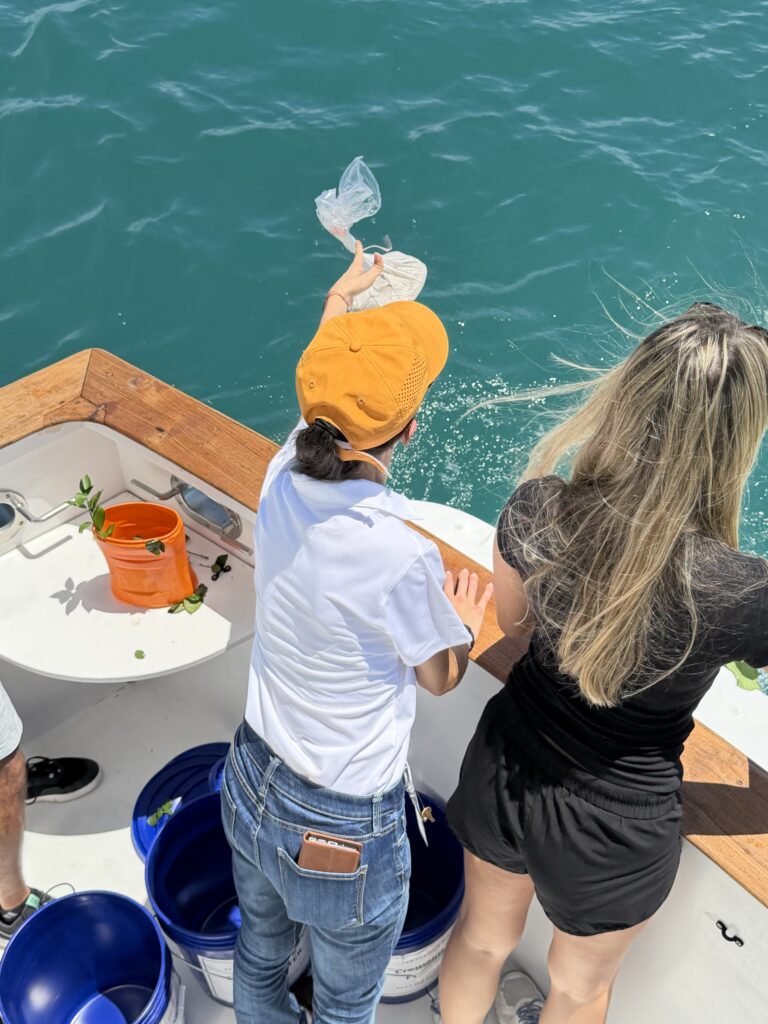
“Thank you to the donors and all their families for the gift they’ve given us of knowledge and experience,” said Jack Koczara, a second-year medical student who participated in the event.
As the students scatter the ashes, they also release flowers. The boat crew marked the latitude and longitude where the ashes were spread, giving donors’ families a place where they can visit if they choose. Some donor families ask for the cremated remains to be returned to them after the lab.
“This past year was a very transformative experience for me, so I wanted to be able to give them a sense of closure and take this last opportunity to show them respect,” Koczara said. “It was a very noble and honorable thing they provided us.”
Jennifer Mark, Director of Anatomical Facilities at the medical school, has held that role since the college opened in 2009. She received UCF’s first donor and started the ash scattering ceremony, She says donors are an intricate part of medical education.
“I’ve been doing this for years and to have the opportunity to lay our patients to rest in the sea is an honor,” she said. “Being able to tell our students about it and actually experiencing it, is quite an incredible feeling.”
To learn more about willed body donation at the College of Medicine, visit https://med.ucf.edu/giving/giving-opportunities/willed-body-program/.